
Amarone Riserva
Amarone Valpolicella DOCG Riserva
Every nuance of our Amarone represents the know-how and stylistic code pursued by Costa Arente, aimed at expressing the natural elegance that the Valpolicella terroir transmits to the wine. 2016, the first year of production of the Reserve, was a rainy year. The cool September nights preserved the acidity of the harvested grapes, ensuring a good prospect of aging, a high sugar accumulation and a nice point of color.
AWARDS
In 2022 Amarone delle Valpolicella Riserva 2016 was reviewed by Jancis Robinson getting 16,5/20 points.
The Amarone della Valpolicella Riserva 2016 was awarded by WineHunter 2022 obtaining the Gold Awards.
The Amarone della Valpolicella Riserva 2016 was awarded with 4 stars by ViniBuoni Touring Club Italiano 2022.
The Amarone della Valpolicella Riserva 2016 achieved 94 points by Doctor Wine.
The Amarone della Valpolicella Riserva 2016 was awarded the gold medal by WOW! Civiltà del Bere.
The Amarone della Valpolicella Riserva 2016 has been included in the guide of Vini D'Italia 2023 achieving "2 bicchieri" by Gambero Rosso.
Grapes
Corvina, Corvinone, Rondinella, other grapes as per disciplinary
Vineyards
Valpantena (La Costa di Romagnano - Grezzana)
Altitude
150-200 a.s.l.
Training
Simple and double Pergola veronese
Age of the vineyard
10-24 years
Density
3600-5000 trees/hectare
Yeld
50 quintals/hectare
Aging
3 years in tonneaux, 1 years in Slavonian tanks and 1 year in bottle
Terroir
Vinification
The grapes are harvested by hand after a careful selection to pick the most suitable bunches for drying. Once placed on the trays, the best tanks are destined to the Reserve and set aside in the loft for at least 3 months, a period in which they lose on average 40% of their weight. Enzymatic processes and the development of noble mold complete the drying process. Towards the beginning of December, the grapes are de-stemmed, selected on the sorting table and then pressed. A short cold maceration precedes the alcoholic fermentation which lasts about 2 weeks, with frequent pumping over. This is followed by racking, malolactic fermentation and aging first in tonneaux for 3 years and subsequently, at in Slavonian oak barrels for one year at least. Refinement in the bottle lasts at least 1 year before it's put on the market.
Color
Intense ruby red color with garnet reflections.
Bouquet
The nose is complex and immediately reveals hints of preserved cherry, morello cherry and plum with final notes of spices, pepper and tobacco.
Flavor
Complexity that continues in the mouth: enveloping and long tannins, with a freshness of drink, typical of Valpantena, that optimally balances the alcoholic component.
Data
Alcol 17% vol.
Total Acidity 5,5 g/l
Pairings
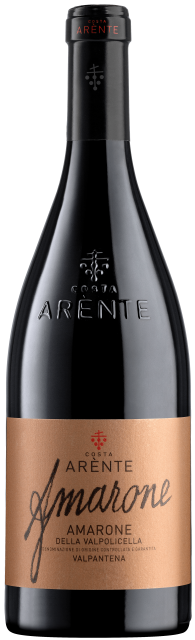
Amarone
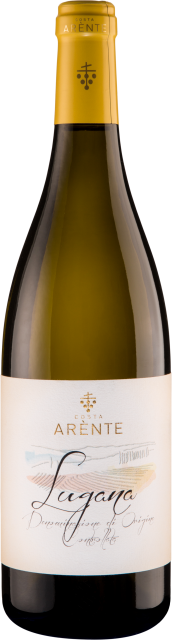
Lugana
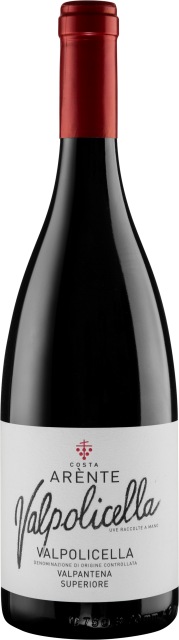
Valpolicella
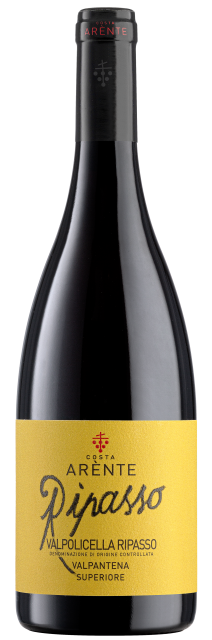
Ripasso Superiore
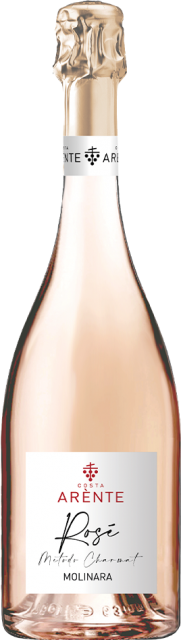
Molinara
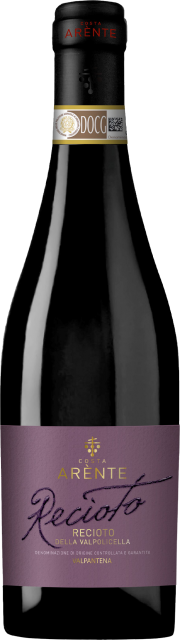
Recioto

Metodo Classico
